
Why Commercial Steel Buildings Are the Smart Choice for Modern Businesses
Modern businesses face increasing pressure to operate efficiently, reduce costs, and invest in structures that will support long-term growth. Whether developing retail stores, office spaces, warehouses, or agricultural facilities, companies must consider durability, adaptability, and cost-effectiveness when choosing construction materials. In recent years, many organizations have shifted toward steel as their preferred building solution. Its strength, longevity, and design flexibility make it an appealing choice across industries of all sizes. As a result, commercial steel buildings have become a widely adopted option for forward-thinking businesses that value both performance and practicality. Understanding why these structures have gained such prominence is essential for any company looking to invest in property that meets current needs while supporting future expansion.
Understanding the Advantages of Durability and Structural Strength
One of the most compelling reasons companies choose commercial steel buildings is their exceptional structural integrity. Steel is engineered to withstand some of the harshest environmental conditions, including high winds, heavy snow loads, and seismic activity. Its inherent strength allows it to maintain stability even under consistent stress, ensuring long-term reliability. This durability is especially important for buildings that must protect high-value inventory, sensitive equipment, or agricultural assets. When compared to traditional materials such as wood, which deteriorates over time, or concrete, which is susceptible to cracking, steel offers unmatched resilience.
Steel’s ability to resist decay, mold, pests, and moisture further enhances its longevity. These qualities significantly reduce maintenance requirements, saving businesses time and money throughout the life of the building. Instead of continually addressing issues like warping, rot, or termite damage, companies can focus their resources on operations and growth. The low-maintenance nature of steel also makes it particularly attractive for organizations that manage large warehouses or industrial facilities where downtime can be costly.
According to Green Building Elements, steel buildings have a lifespan of up to 100 years. This longevity plays a major role in why modern businesses trust steel for long-term development. When organizations invest in structures expected to last for decades, durability becomes a deciding factor. A building that can outperform others in structural resilience directly contributes to the stability and financial health of the company.
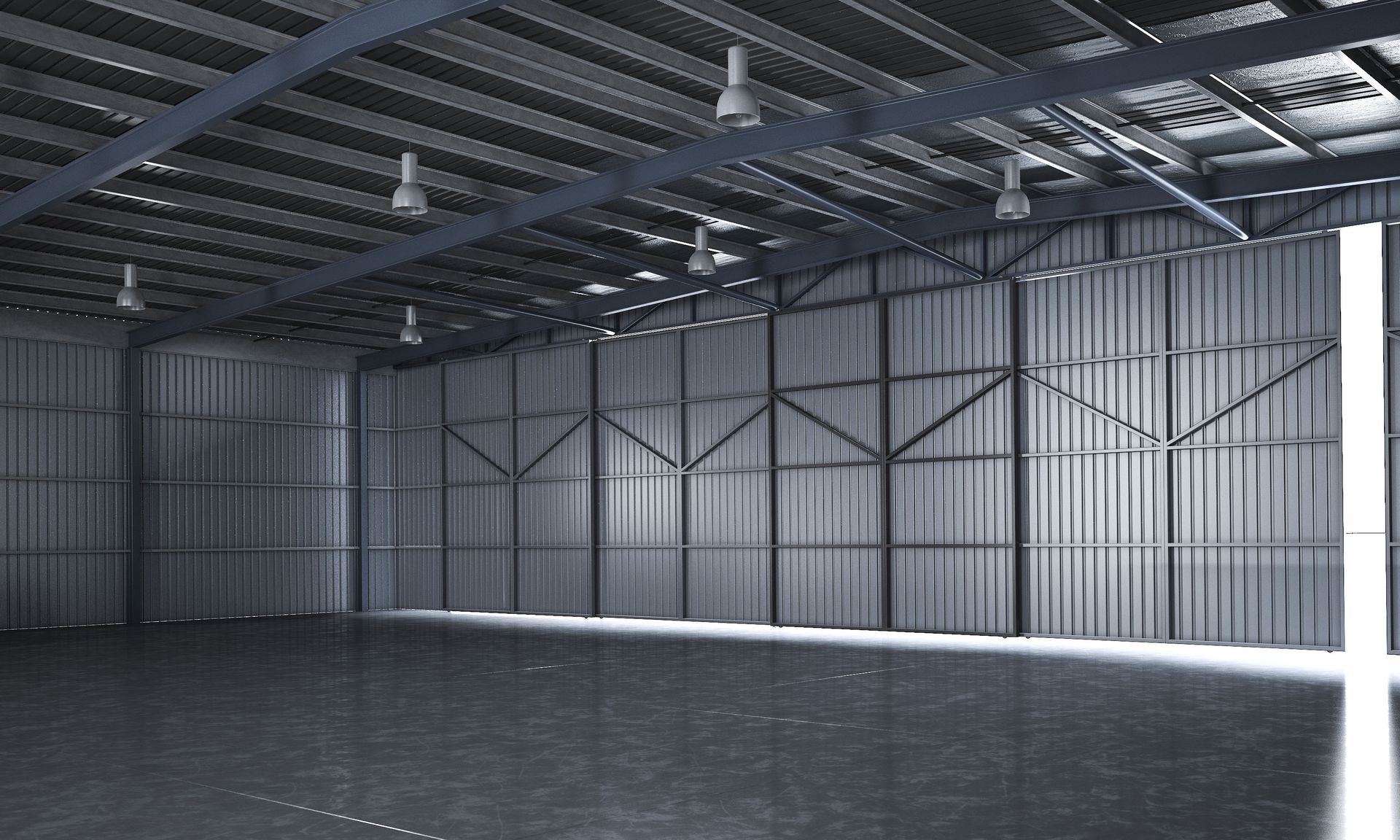
The strength of commercial steel buildings is also beneficial for specialized industries that require dependable construction. Aviation facilities, for example, rely on steel hangars for aircraft protection. Government-compliant metal buildings similarly benefit from structural reliability, especially when used for emergency services or critical municipal functions. Steel provides a level of performance that supports these high-stakes applications, ensuring safety and operational consistency.
Exploring the Cost Efficiency of Steel Construction
Cost considerations are central to any commercial project, and steel construction offers significant financial advantages. The fabrication and installation process is streamlined, allowing builders to assemble components more quickly than traditional construction methods. Many steel building elements are manufactured off-site and delivered ready for installation, eliminating extensive on-site labor and reducing overall project duration. Faster construction equates to lower labor expenses and earlier occupancy, which is especially valuable for businesses working within tight deadlines or seeking to begin operations quickly.
The long-term cost savings associated with commercial steel buildings are equally impactful. Because steel requires minimal maintenance and delivers long-lasting structural stability, the total cost of ownership is significantly lower than that of many other building materials. Businesses avoid frequent repair cycles and extended downtime due to maintenance needs. Steel’s resistance to fire also reduces insurance costs for many organizations, resulting in an additional financial benefit that accumulates over time.
Another aspect of cost efficiency lies in steel’s predictable material pricing and availability. While fluctuations occur in every sector, the steel industry often provides more stable cost projections compared to markets for lumber or other construction materials. This stability helps businesses better plan their budgets, especially for large-scale warehouse, industrial, or agricultural buildings. For companies that operate across multiple locations, consistent material costs make expansion more financially manageable.
Commercial steel buildings also support energy efficiency when paired with modern insulation solutions. Their design accommodates advanced energy-saving systems such as insulated metal panels and cool roofing, which help reduce heating and cooling expenses. For businesses aiming to reduce operational costs and improve environmental performance, steel buildings offer the flexibility to incorporate sustainable upgrades without requiring extensive structural alterations.
Enhancing Flexibility and Customization for Business Needs
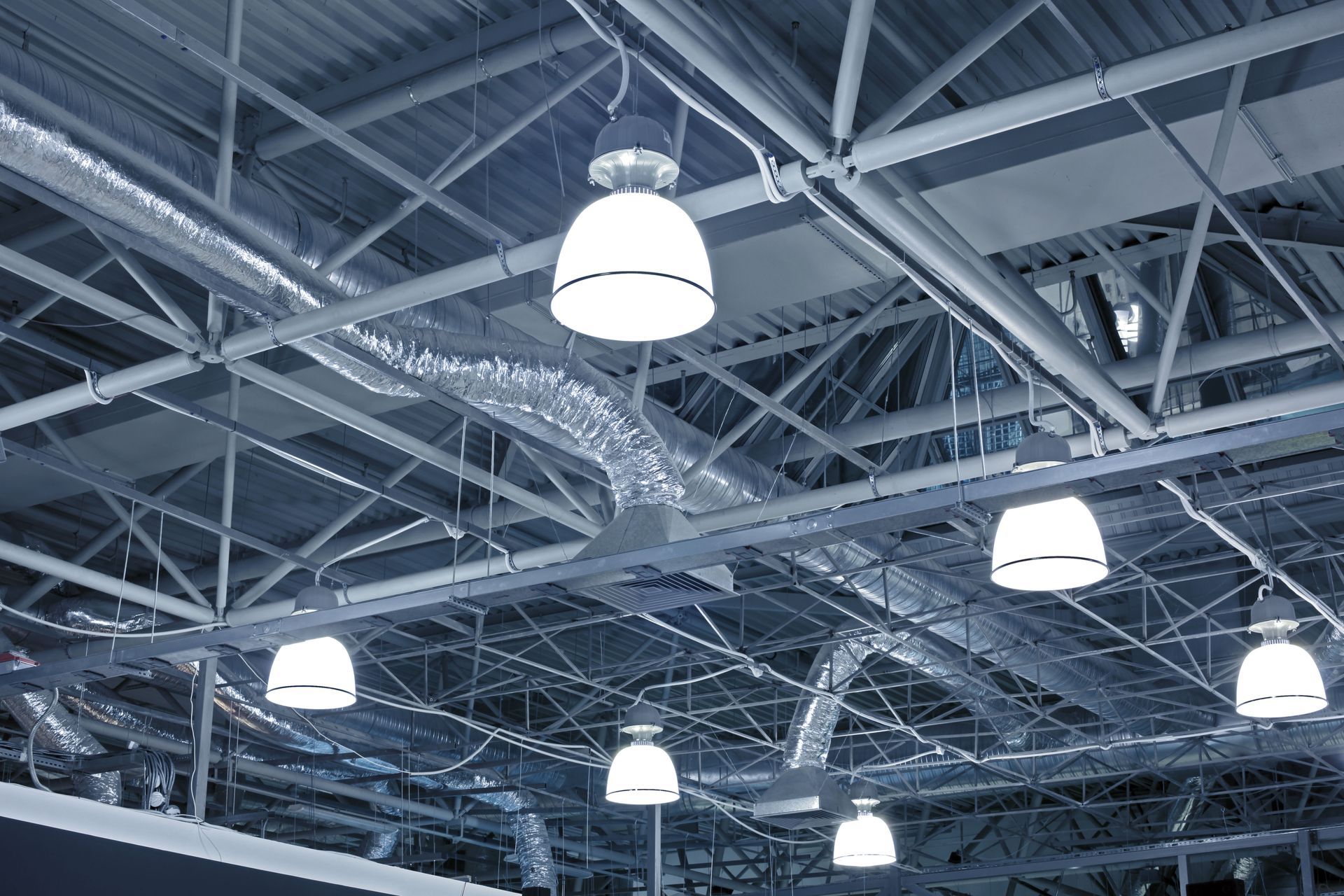
Customization is another fundamental advantage of choosing steel for commercial development. Steel structures offer expansive interior space thanks to clear-span framing, which eliminates the need for interior load-bearing walls. This design flexibility is ideal for warehouses, industrial facilities, retail buildings, and aviation hangars, where wide open areas are essential for storage, workflow, machinery, or vehicle movement. Businesses can configure the interior layout according to their operational needs and adapt it as those needs evolve.
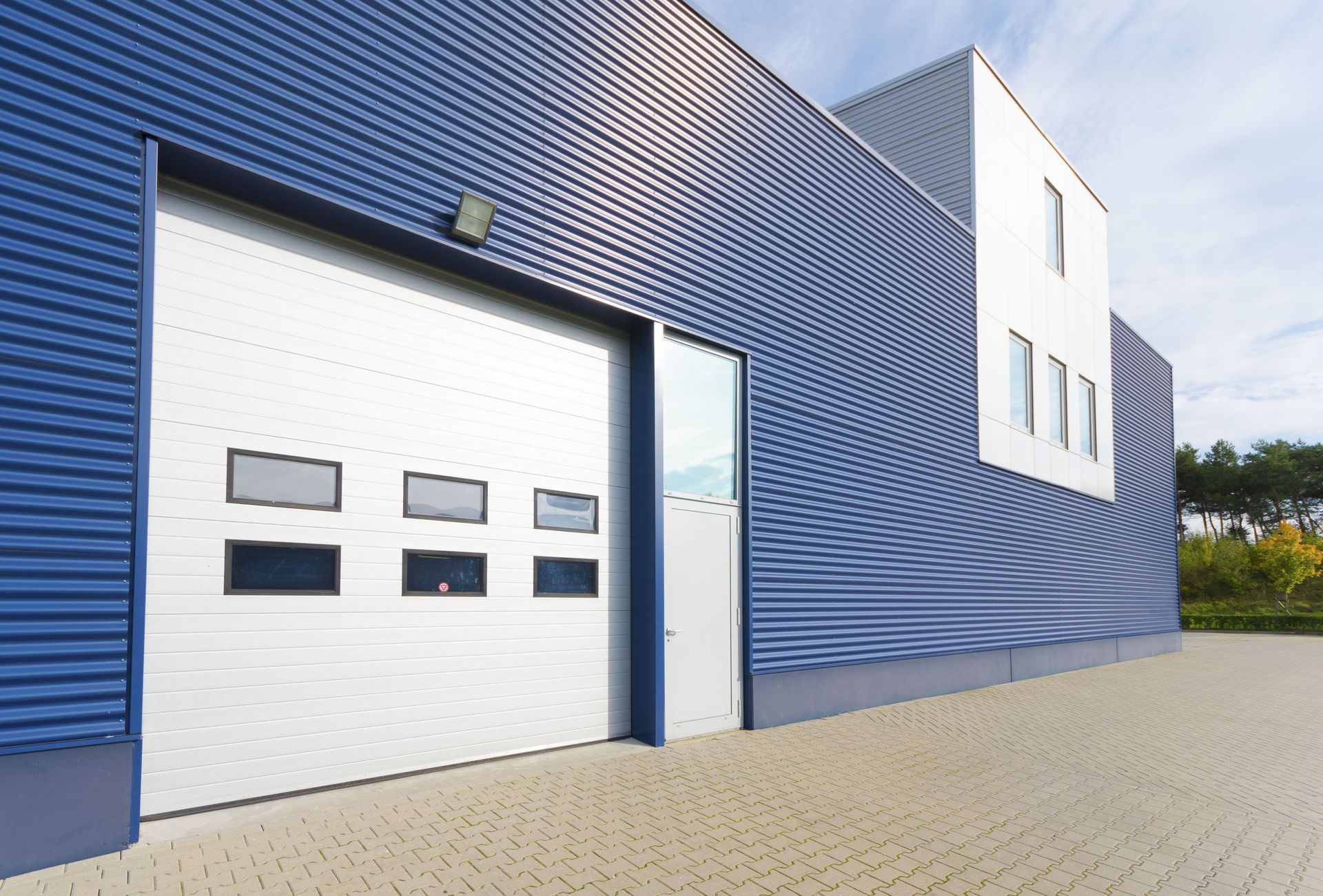
The versatility of commercial steel buildings extends beyond functionality. They can be designed to match specific architectural styles, integrate various exterior finishes, and accommodate add-ons such as mezzanines, offices, and storefronts. Retail shops, for example, benefit from steel structures that can be customized to meet branding requirements, while office buildings can incorporate modern layouts that support collaborative work environments.
Steel’s adaptability also supports future expansions. Companies that anticipate scaling operations can easily extend their steel buildings without requiring a complete reconstruction. This future-proof approach is invaluable for businesses in fast-growth industries such as logistics, manufacturing, and agriculture. Instead of investing in an entirely new structure, organizations can simply add additional square footage as demand increases.
Supporting Sustainability and Environmental Responsibility
Sustainability is a growing priority for organizations seeking to minimize their environmental impact. Steel is highly recyclable, with the majority of steel products containing a significant percentage of recycled material. When commercial steel buildings reach the end of their long lifecycle, the material can be recycled and reused, reducing waste and supporting the circular economy. This makes steel one of the most environmentally responsible construction materials available today.
Energy efficiency is another environmental benefit. Well-designed steel buildings can incorporate efficient insulation, renewable energy systems, and smart climate control solutions. These features help businesses reduce energy consumption and maintain comfortable interior environments. For industries requiring temperature-controlled storage or workspace, steel’s compatibility with advanced insulation systems offers a major advantage.
Sustainable building practices also extend to construction processes. Steel components manufactured off-site reduce the environmental footprint associated with on-site waste and transportation. Because assembly is efficient and minimally invasive, steel buildings create less disruption to the surrounding area. This is particularly beneficial for retail and office developments located in commercial districts where prolonged construction can interfere with customer access or business operations.
Government and agricultural sectors also benefit from steel’s environmentally conscious design. Agricultural buildings, for example, must withstand constant exposure to moisture, livestock, and agricultural chemicals. Steel’s resistance to rot and chemical damage makes it a safer and longer-lasting choice that supports more sustainable farming practices.
Strengthening Business Operations Through Versatile Use Cases
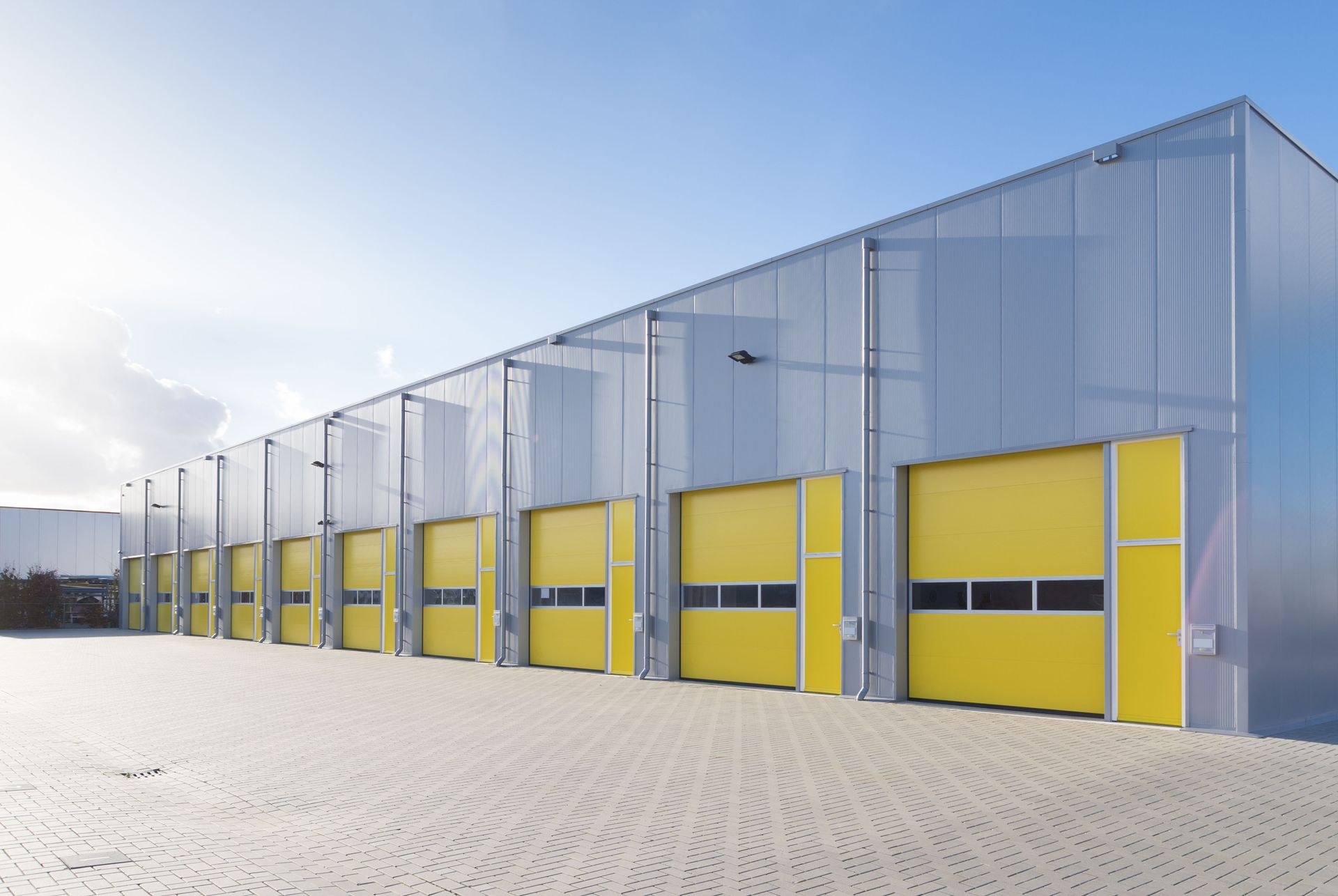
The ability of steel buildings to serve multiple industries underscores their value in modern commercial development. Retailers rely on steel structures for storefronts, showrooms, and storage areas. Office buildings benefit from steel’s flexibility, allowing companies to design modern, efficient workspaces. Warehouse and industrial buildings require large, open spaces, and commercial steel buildings offer exactly that with ease.
Steel is also a practical choice for personal-use buildings such as garages, hobby shops, and residential-style structures. Homeowners and hobbyists value the affordability, low maintenance, and design flexibility that steel provides. This versatility reflects the broad appeal of commercial steel buildings across both commercial and personal sectors. Call Teton West Construction today to discuss your next project!

Share On: