
4 Common Myths About Steel Buildings Debunked
Steel buildings have evolved far beyond their early reputation as purely industrial structures. Today, advances in engineering, design, and construction technology have positioned steel as one of the most versatile and reliable building materials available. Despite its growing popularity in residential, commercial, and institutional projects, misconceptions about steel buildings continue to influence decision-making. From concerns about appearance and energy efficiency to durability and maintenance, these myths often overshadow the material's true capabilities.
Myth 1: Steel Buildings Are Only Suitable for Industrial Use
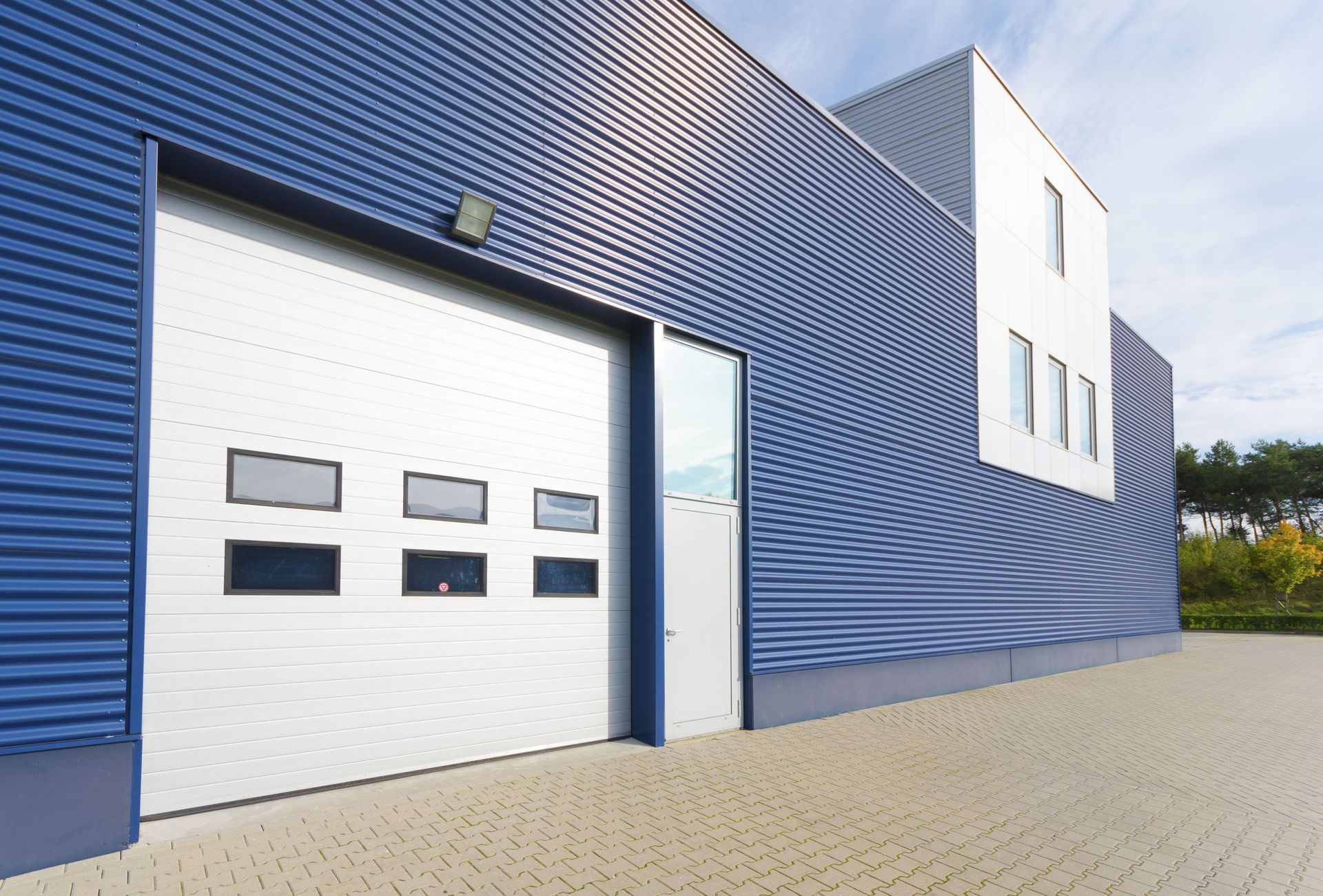
Steel buildings are often perceived as being suitable only for industrial purposes, like factories or warehouses. Contrary to this belief, the versatility of steel makes it applicable in a variety of settings. Steel's adaptability is proven by its integration into educational facilities, healthcare institutions, and even residential homes. Architectural flexibility allows steel buildings to blend seamlessly with various design requirements. The innovation in steel construction has expanded beyond the industrial domain, illustrating its applicability across numerous fields.
Over recent years, steel buildings have been gaining traction in the residential sector. Homeowners are increasingly recognizing the benefits of steel in terms of durability, strength, and aesthetic possibilities. Steel's inherent resistance to pests and natural disasters makes it an attractive option for long-lasting homes. Innovations in design have enabled steel homes to adopt modern, sleek appearances, challenging the notion that steel is only for industrial use. The rise in custom steel homes showcases the material's ability to meet diverse architectural tastes while maintaining structural integrity.
Commercial buildings made from steel are prevalent due to their rapid construction times and cost-effectiveness. Steel's strength-to-weight ratio allows for spacious, column-free interiors, ideal for office spaces and retail areas. According to the American Institute of Steel Construction, a five-story steel-framed office building uses 500 tons of American structural steel, demonstrating the material's utility in commercial construction. The adaptability of steel allows for diverse architectural styles, from contemporary to classic, ensuring that businesses can convey their unique brand identities. Developers have increasingly embraced steel for commercial spaces, drawn by its sustainability and flexibility.
Steel buildings can be customized to meet specific project requirements without compromising on quality or aesthetics. The possibilities for customization range from unique facades and energy-efficient designs to specific structural modifications. As a result, architects and builders can work closely with clients to create tailored solutions that meet individual needs. Technological advancements, such as 3D modeling and innovative fabrication techniques, have further facilitated the customization of steel buildings. This adaptability makes steel an appealing choice for unique architectural projects.
Myth 2: Steel Buildings Are Prone to Rust and Corrosion
One common myth about steel buildings is that they are prone to rust and corrosion, a misconception that fails to consider modern galvanization techniques. Galvanization involves coating steel with a protective layer of zinc, which acts as a barrier against environmental factors like moisture and oxygen that can lead to corrosion. This process significantly extends the lifespan of steel by preventing rust. Modern galvanization techniques are rigorous and often undergo testing to ensure long-term efficacy. As a result, galvanized steel is incredibly durable and surprisingly easy to maintain.
In addition to galvanization, various protective coatings and finishes have been developed to further safeguard steel structures against corrosion. These finishes include paint systems and powder coatings that provide additional layers of protection. Moreover, advancements in technology have led to the development of specialized coatings that can be applied to steel surfaces exposed to extremely harsh environments. These protective measures ensure that steel buildings remain in excellent condition, even in corrosive atmospheres. Consequently, when properly coated and maintained, steel buildings can endure decades of exposure without significant deterioration.
Routine maintenance is crucial in maximizing the lifespan of a steel building. Simple measures, such as regular inspections for signs of wear and timely application of protective coatings, can drastically reduce the likelihood of corrosion. Cleaning steel surfaces to remove dirt and debris can also prevent factors that might accelerate corrosion. Addressing minor damages promptly can prevent them from developing into larger issues over time. Therefore, while steel buildings do require some maintenance, the steps are generally straightforward and cost-effective, contributing to their long-term durability.
Myth 3: Steel Buildings Are Unattractive or Generic
The belief that steel buildings lack aesthetic appeal is outdated, particularly when considering contemporary design developments. Modern architecture has embraced steel for its sleek, streamlined appearance and ability to complement various design themes. Architectural advancements have led to innovative designs that harness steel's unique properties to create stunning visual aesthetics. The ability to manipulate steel into different shapes and forms offers endless possibilities for creativity. As a result, steel buildings can be strikingly beautiful and architecturally significant.
Steel allows for the integration of aesthetics and functionality, a harmonious blend that enhances both form and utility. Designers can employ steel to create expansive, open spaces filled with natural light, contributing to both the visual appeal and functional aspects of a building. The structural capabilities of steel allow for fewer support columns, providing more design flexibility and freedom. This synergy between beauty and practicality makes steel an ideal choice for architects seeking to push creative boundaries. The versatility to achieve aesthetic goals while maintaining functionality dispels myths of steel's blandness.
With steel, architects can explore a range of innovative architectural styles that cater to both contemporary and traditional tastes. Spaces designed with steel can range from minimalist aesthetics to complex, geometrically intricate forms that capture attention. The elegance and adaptability of steel enable the creation of groundbreaking projects, pushing the envelope of what is possible in architecture. Steel structures can be incorporated with glass and other materials to create stunning optical designs. This adaptability ensures that steel buildings can suit a variety of architectural themes, dismissing notions of uniformity.
Myth 4: Steel Buildings Are Not Energy Efficient
It is a common misconception that steel buildings are not energy efficient. However, steel structures can be equipped with effective insulation solutions that significantly enhance their energy performance. Various insulation materials, such as foam boards, batt insulation, and spray foam, can be seamlessly integrated with steel frameworks. These materials help regulate temperature, reduce thermal bridging, and enhance energy efficiency. Selecting the appropriate insulation can make steel buildings exceptionally energy efficient, even in extreme climates.
Designing steel buildings with energy efficiency in mind incorporates several strategies to maximize performance. Strategically positioned windows, light-reflective surfaces, and advanced climate control systems help reduce energy consumption. Green building certifications, such as LEED, often guide building designs towards achieving remarkable energy efficiency standards. Incorporating these strategies makes it possible to construct steel buildings that minimize energy use while maximizing comfort. Furthermore, energy-efficient design can significantly reduce utility costs, offering additional financial benefits to property owners.
Steel itself is often considered a sustainable choice due to its recyclability and relatively low environmental impact. The use of sustainable materials alongside steel further enhances the eco-friendliness and energy efficiency of a building. Applying technologies, such as prefabrication and building information modeling, ensures material efficiency and waste reduction. Steel framing provides a durable, sustainable construction solution that supports sustainability-focused architectural initiatives. By aligning with green building principles, steel structures provide both environmental benefits and economic savings.
Steel buildings are no longer defined by outdated assumptions or limited applications. As this article has shown, modern steel construction offers exceptional durability, design flexibility, energy efficiency, and long-term value across a wide range of uses. Advances in protective coatings, insulation systems, and architectural design have transformed steel into a material that meets both aesthetic and performance demands. By separating fact from fiction, builders, developers, and property owners can confidently consider steel as a forward-thinking alternative to traditional construction methods. When properly designed and maintained,
steel buildings deliver strength, sustainability, and versatility that stand the test of time. Contact Teton West Construction today for more information.


Share On: