
3 Practical Advantages of a Steel Building
Steel buildings have become a staple across industrial, commercial, and agricultural sectors due to their versatility, durability, and cost-effectiveness. From expansive warehouses to custom agricultural storage, these structures provide solutions that traditional construction methods often cannot match. The readily engineered design these buildings offer allows for faster construction without compromising on strength or aesthetics. In this article, we explore three practical advantages of steel buildings that make them a smart investment for both businesses and property owners.
1. Longevity and Durability
Exceptional Lifespan
One of the most compelling advantages of a steel building is its long-term resilience. Structures made from high-quality steel can endure decades of exposure to environmental elements, offering a service life that far exceeds that of traditional materials such as wood or masonry. According to Green Building Elements, steel buildings can remain functional for up to 100 years, highlighting their unmatched longevity. This extended lifespan ensures that property owners can rely on their investment for multiple generations, reducing the need for costly replacements and providing a stable, long-term solution for industrial, commercial, or agricultural use.
Resistance to Environmental Damage
Steel is naturally resistant to many factors that cause deterioration in conventional construction materials. It also withstands heavy snow loads, high winds, and other severe weather conditions without compromising structural integrity. Even in regions prone to flooding or extreme humidity, properly coated steel resists corrosion, ensuring that the structure remains sound and secure over time. This durability reduces the likelihood of unexpected repairs or damage, offering peace of mind to property owners and minimizing downtime for industrial or commercial operations.
Low Maintenance Requirements
Because a steel building can resist rust when treated appropriately and is protected with coatings, it requires minimal upkeep over the decades. Regular maintenance is generally limited to periodic inspections and minor touch-ups, significantly reducing long-term costs. Property owners benefit from predictable maintenance schedules, avoiding the frequent repairs often needed for wood or masonry buildings. The combination of longevity and low upkeep ensures that the building maintains its structural and aesthetic quality while preserving financial resources over time.
Fire and Pest Protection
Steel's non-combustible nature adds a vital layer of safety, particularly for industrial and agricultural applications where fire hazards may exist. The absence of organic material also means pests like rodents, termites, or mold cannot compromise the structure. This dual protection not only safeguards the building itself but also preserves the contents, equipment, or inventory stored within. For business owners or facility managers, this translates to fewer interruptions, reduced risk, and a safer, more reliable environment for employees and operations.
Structural Stability
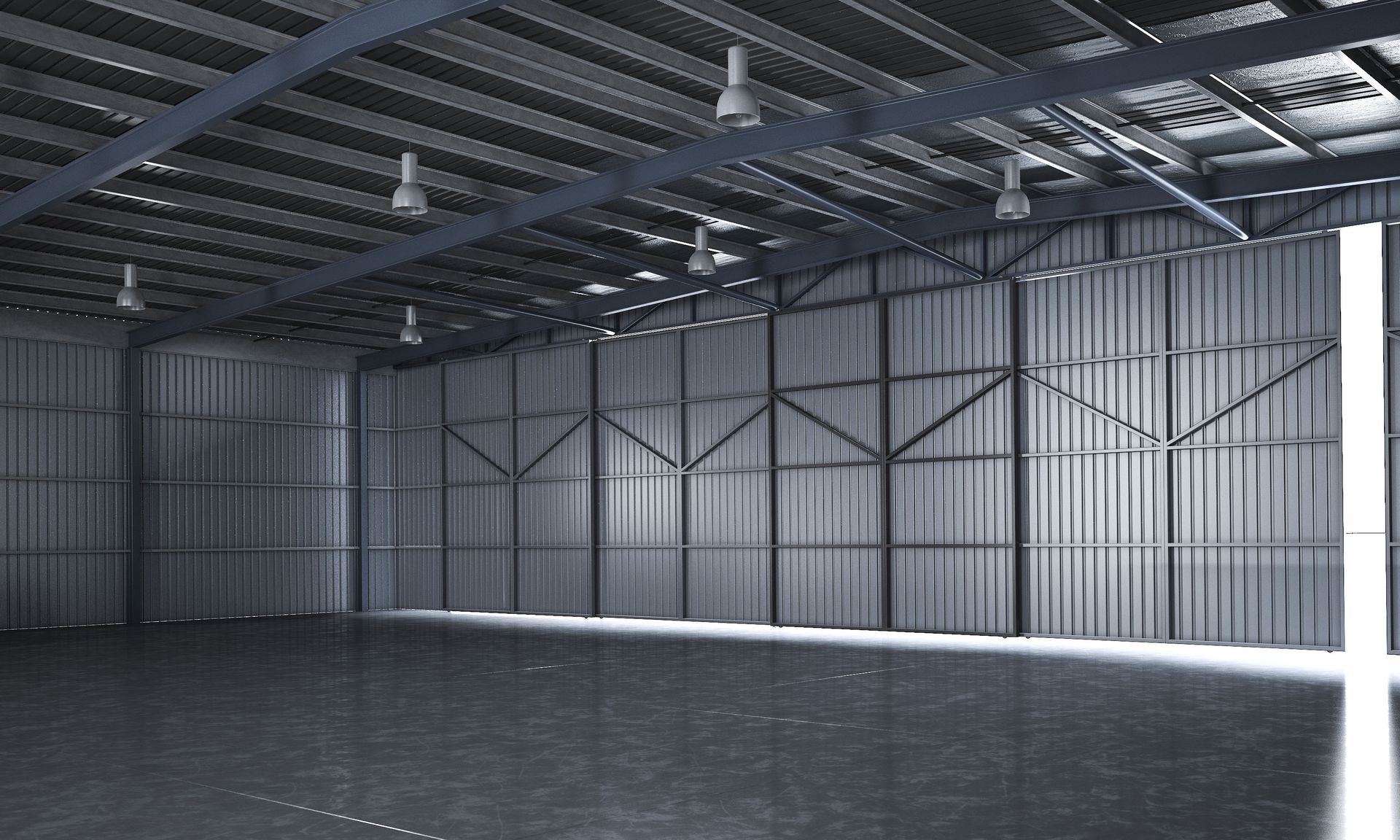
The engineered design of a steel building ensures that loads are evenly distributed throughout the structure, minimizing stress on any single point. This balanced load distribution allows for larger, more open interior spaces without the need for excessive support columns or walls. Open layouts enhance operational efficiency, whether for manufacturing, storage, or commercial use, and they also make future expansions or configurations simpler to implement. The combination of stability, versatility, and adaptability makes steel buildings a practical solution for a wide variety of applications.
2. Cost Efficiency
Lower Construction Costs
Steel buildings often provide a more budget-friendly option compared to traditional construction methods. Readily engineered components reduce labor requirements, minimize material waste, and shorten the overall construction timeline, translating into significant cost savings without compromising quality. This efficiency is particularly advantageous for large-scale projects, where conventional construction can involve extensive site work, multiple trades, and longer lead times. Choosing steel allows property owners to maximize their investment while maintaining high structural standards.
Speed of Installation
Readily fabricated steel elements are manufactured off-site and delivered ready for assembly. This method dramatically reduces lead times, sometimes allowing a building to be completed in as little as six weeks. Faster construction not only reduces disruption to ongoing operations but also accelerates a facility's ability to become fully operational. The controlled off-site fabrication process also minimizes the risk of on-site errors or weather-related delays, ensuring a smoother, more predictable construction schedule.
Energy Efficiency Savings
Modern steel buildings can be outfitted with energy-efficient insulation, reflective roofing, and advanced ventilation systems, lowering heating and cooling expenses throughout the building's lifespan. Retrofit options, such as adding an extra layer of insulation or energy-saving panels, further improve thermal performance and reduce utility costs over decades. These features make a steel building the most sustainable and cost-conscious choice for both industrial and commercial operations.
Minimal Long-Term Upkeep
The long-lasting nature of steel, combined with resistance to pests, warping, and environmental damage, ensures that ongoing maintenance expenses remain low. Unlike traditional materials that may require frequent repairs, steel allows for predictable upkeep, helping businesses manage budgets more effectively while preserving the building's integrity over time.
Adaptable Financing and Project Scaling
Because steel buildings are modular and readily engineered, projects can be scaled or adapted without major redesigns. Owners can start with a smaller footprint and expand as operational needs evolve, offering financial flexibility. This adaptability also makes it easier to integrate new systems, equipment, or layout changes over the building's lifespan, ensuring that the structure continues to meet operational and financial goals efficiently.
3. Design Flexibility
Wide Range of Applications
From warehouses and manufacturing facilities to agricultural storage and retail complexes, steel buildings can be adapted to nearly any function. Their flexible design allows for fully customized interior layouts, making them suitable for both highly specialized operations and general-purpose applications. This versatility ensures that the structure can accommodate evolving business needs or operational changes over time.
Customizable Shapes and Sizes
Engineered steel components make it possible to achieve complex architectural designs that traditional construction methods would find difficult or prohibitively expensive. From elegantly arched agricultural buildings to multi-story industrial facilities, steel's structural versatility allows architects and builders to balance creativity with strength. The ability to design unusual shapes or unique roof lines expands the possibilities for both functional and aesthetic innovation.
Integration with Modern Technology
Steel buildings can be designed to seamlessly incorporate HVAC systems, advanced lighting, energy-efficient mechanical systems, and other modern technologies. This integration maximizes operational efficiency, improves comfort for employees or occupants, and allows for the incorporation of automation or smart-building systems without structural compromise.
Ease of Expansion
Adding additional bays, modifying roof lines, or extending existing structures is often simpler with a steel building. The modular framing system enables extensions without major disruption to the current structure, making future growth practical, efficient, and cost-effective. This adaptability ensures that the building can evolve alongside the needs of the business or operation.
Aesthetic Versatility
With a wide range of siding, roofing, and finishing options, steel structures can achieve either modern or traditional appearances depending on project requirements. Architects and design teams have nearly unlimited flexibility to match the design vision while maintaining structural integrity. This combination of durability and aesthetic control makes steel buildings both practical and visually appealing for any setting.
Steel buildings offer a compelling combination of longevity, cost efficiency, and design versatility that make them a superior choice for many property owners. With the ability to last up to a century, minimal maintenance demands, and unmatched adaptability, these structures provide long-term value that few traditional building materials can match. Whether for industrial, agricultural, or commercial applications, investing in a steel building is not only a practical decision but also a strategic one, delivering durability, performance, and financial benefits for decades to come. For reliable steel building solutions, contact Teton West Construction today!

Share On: