
Design Tips for Creating Functional and Stylish Office Metal Buildings
In recent years, office metal buildings have gained popularity due to their durability, cost-effectiveness, and aesthetic appeal. Steel, often used in these structures, provides strength, flexibility, and sustainability, making it an ideal choice. This article explores essential design tips to create these structures, ensuring they are both functional and stylish. From architectural considerations to eco-friendly practices, implementing these strategies can result in an efficient and inviting workspace. By intelligently applying these design principles, businesses can create office spaces that are not only modern but also future-ready.
1. Architectural Design Considerations
Office metal buildings offer a variety of styles to cater to distinct preferences and functional needs. The choice of style significantly influences the building's functionality and its integration into the surrounding environment. For instance, a contemporary style with clean lines can reflect a company's forward-thinking attitude. On the other hand, opting for a traditional design can invoke a sense of stability and reliability. The key is to pick a style that aligns with both the company's brand and operational requirements. Additionally, incorporating exterior details such as accent panels, awnings, or decorative trims can enhance visual appeal while reinforcing the overall design theme.
Consideration of the location and climate plays a pivotal role in selecting the building style. In regions prone to extreme weather, specific designs that enhance durability and weather resistance can be advantageous. This careful selection ensures longevity and reduces maintenance costs over time. Additionally, the choice of style impacts energy efficiency, especially with regard to natural ventilation and lighting. Selecting roof overhangs, sunshades, or strategically placed windows can improve airflow and reduce energy consumption. Given that 95% of industrial buildings utilize steel framing, according to the American Institute of Steel Construction, the versatility in architectural design for office metal buildings is well-supported by proven structural reliability.
Another critical aspect in choosing a building style is scalability. As businesses grow, expansion may become necessary, and a modular metal structure can be an excellent choice for future scalability. Modular designs allow for expansion without significant disruption to existing operations. This adaptability supports long-term growth and makes it easier for businesses to respond to future changes. Choosing a flexible building style is not only a strategic decision for immediate needs but also a prudent choice for long-term business planning. Furthermore, integrating future expansion plans into the original design ensures seamless additions and minimizes costly renovations later.
Additional architectural considerations include roof design, window placement, and insulation. For example, sloped or gabled roofs can improve drainage and prevent the accumulation of snow or rain, enhancing building longevity. Properly positioned windows not only improve natural light but also reduce reliance on artificial lighting, lowering energy costs. Efficient insulation contributes to temperature regulation, ensuring a comfortable indoor environment year-round while reducing HVAC expenses. Integrating these elements early in the design process ensures that the structure is both functional and visually appealing. Incorporating energy-efficient glazing, skylights, and passive solar features can further enhance comfort while supporting sustainability goals.
2. Interior Design Elements
Optimizing space layout is key to maximizing productivity in office metal buildings. A thoughtful layout facilitates efficient movement and interaction among employees, enhancing collaboration and focus. Consider open floor plans combined with designated zones for specific tasks, allowing flexibility in the workspace. The strategic arrangement of furniture and workstations can significantly impact communication and workflow. Such layouts enable seamless transitions between collaborative spaces and areas for focused, individual work. Additionally, incorporating ergonomic furniture and clear pathways reduces fatigue and minimizes distractions, further supporting employee well-being and productivity throughout the workday.
Flexibility in layout design also supports varied work styles and tasks. Incorporating movable partitions or modular furniture can quickly reconfigure spaces to suit changing needs. This adaptability ensures that the space remains relevant as business operations evolve. Moreover, offering diverse work environments, such as quiet areas, meeting spaces, and breakout zones, caters to different preferences and needs. This diversity in layout nurtures a dynamic and responsive workplace culture. Integrating collaborative technology and smart storage solutions can also enhance functionality and efficiency within these flexible layouts.
The use of technology in planning space layouts can enhance productivity and user experience. Tools like CAD software can simulate different layout scenarios to optimize flow and productivity. Understanding how employees interact with the space allows for designing layouts that best meet organizational goals. Implementing user-centric designs promotes comfort and satisfaction, ultimately boosting overall efficiency. Optimal space planning is integral to creating a functional and adaptable office environment.
Other interior considerations include lighting design, acoustics, and storage solutions. Using natural light wherever possible can improve mood and reduce energy consumption, while strategically placed artificial lighting ensures consistent illumination. Proper acoustics reduce noise distractions, enhancing concentration and productivity. Finally, integrated storage solutions maintain a clutter-free environment, supporting both functionality and aesthetics. Together, these features create a workspace that is practical, comfortable, and conducive to employee well-being.
3. Exterior Design Features
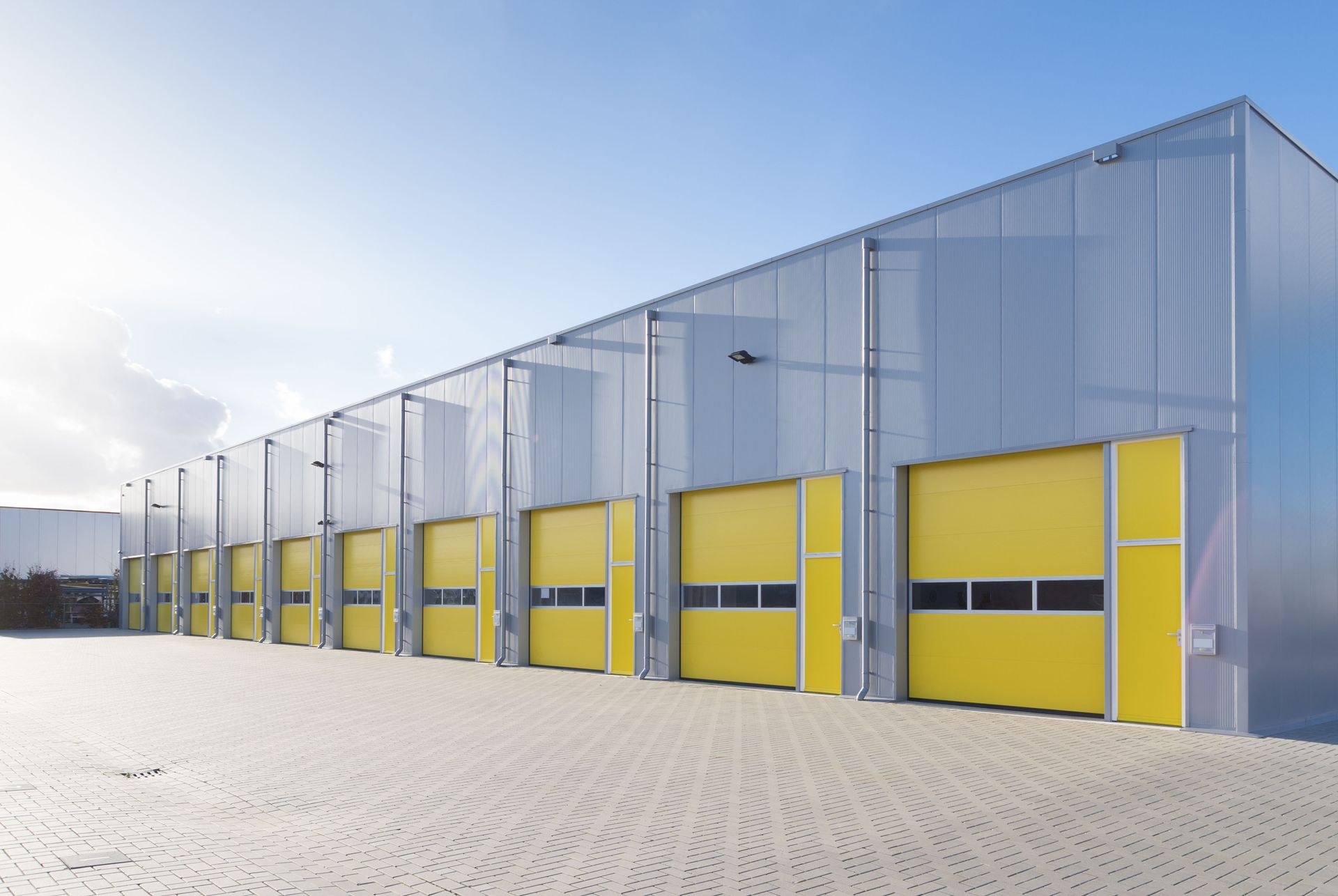
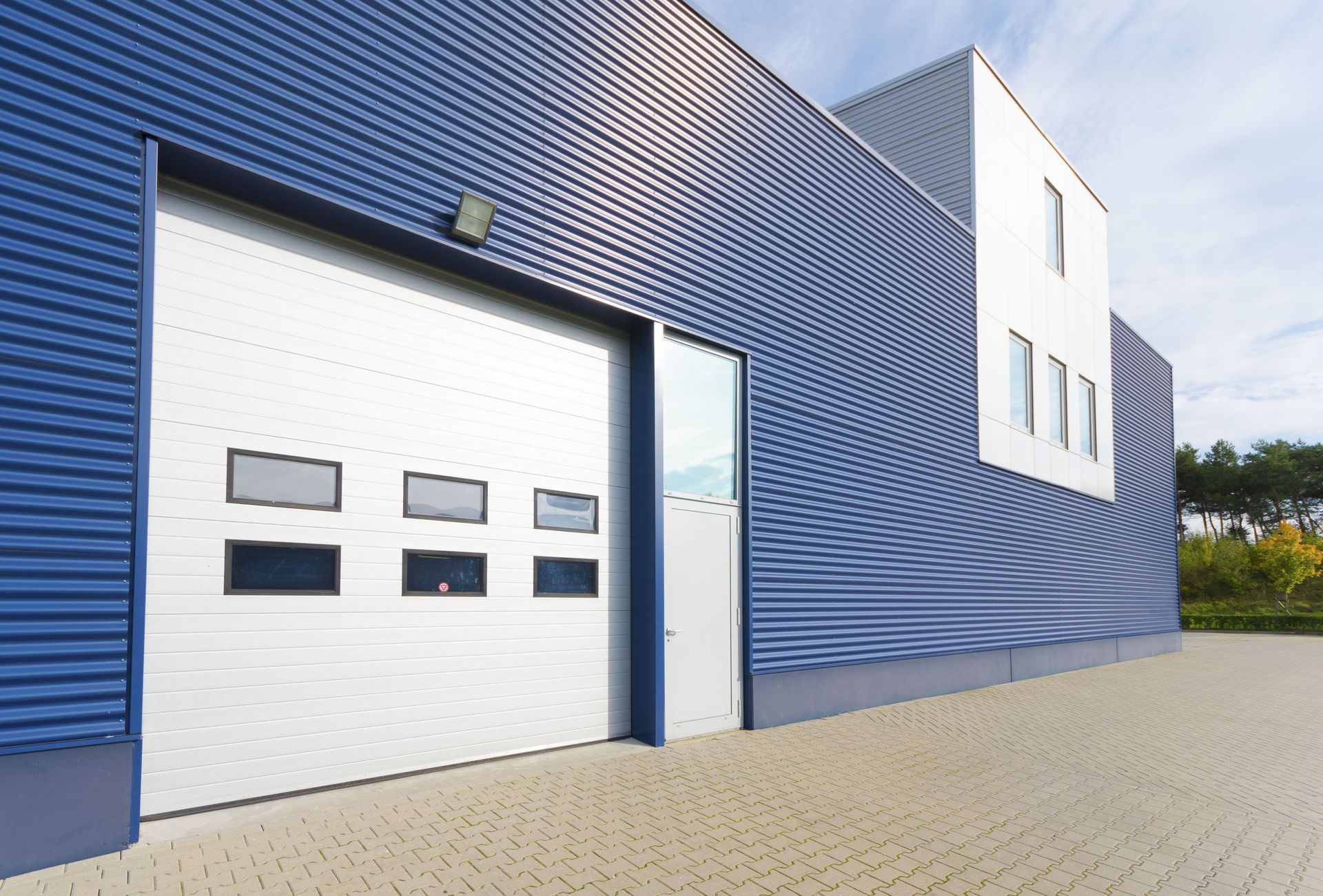
The facade of a metal building is crucial for establishing an immediate impression. An attractive exterior reflects the company's identity, brand values, and attention to detail. With the wide range of design possibilities, from sleek modern to more classical styles, the facade serves as the architectural face of the business. Choosing durable yet stylish cladding options, like insulated metal panels or corten steel, balances aesthetic appeal with functionality. These materials withstand the elements while offering a modern aesthetic that can be customized to meet branding needs.
Use of color and texture adds a dynamic element to the building's external appearance. Color schemes should align with the company's brand identity while enhancing the building's architectural features. Textured finishes, combined with strategic use of lighting, can transform an office building into a landmark. These carefully considered elements contribute to the overall perception of the business, establishing a presence that is both professional and innovative. Investing in facade design yields significant returns by boosting the brand image and setting the tone for interior experiences.
Sustainable design choices in facade planning further enhance appeal. Selecting eco-friendly materials, such as recycled metals or coatings with low environmental impact, aligns with contemporary sustainability goals. Incorporating architectural features such as green walls or solar shading systems can enhance both aesthetics and energy efficiency. These choices not only contribute positively to the environment but also reflect the company's commitment to corporate social responsibility. An attractive facade is part of a comprehensive strategy that aligns design innovation with sustainability principles.
Additionally, exterior landscaping and site planning play an important role in overall design. Well-planned green spaces, walkways, and outdoor seating areas can complement the building's facade while promoting employee wellness. Strategic placement of trees and plants can provide shade, reduce heat absorption, and improve energy efficiency. Integrating functional outdoor spaces with sustainable design practices ensures the office environment is visually appealing, environmentally responsible, and conducive to a positive workplace culture.
Designing office metal buildings requires a careful balance of aesthetics, functionality, and sustainability. By considering architectural style, interior layout, and exterior features, businesses can create spaces that support productivity, reflect their brand identity, and accommodate future growth. Incorporating energy-efficient materials, adaptable layouts, and thoughtful site planning ensures the building remains relevant and efficient over time. Ultimately, a well-designed metal office building is more than a structure; it is a strategic investment that enhances operational performance, employee satisfaction, and the company's long-term success. For more information about the services that we offer, reach out to our incredible team at Teton West Construction today!

Share On: